Whether you are setting up a new leisure facility or upgrading your current gym, should you look to refurbished gym equipment or new?
Advantages of refurbished gym equipment
Refurbished gym equipment can offer everything you would expect from commercial-standard equipment for a fraction of the price.
Typically, a refurbished machine with a 12month all-inclusive warranty will cost 20% – 40% of the price of a new model selling at RRP.
Deprecation of gym equipment is extremely high during its early years, so this is negated substantially when buying refurbished equipment.
By looking to purchase refurbished equipment, your budget may be able to stretch to higher specification models and technology which were previously out of reach.
Sustainability
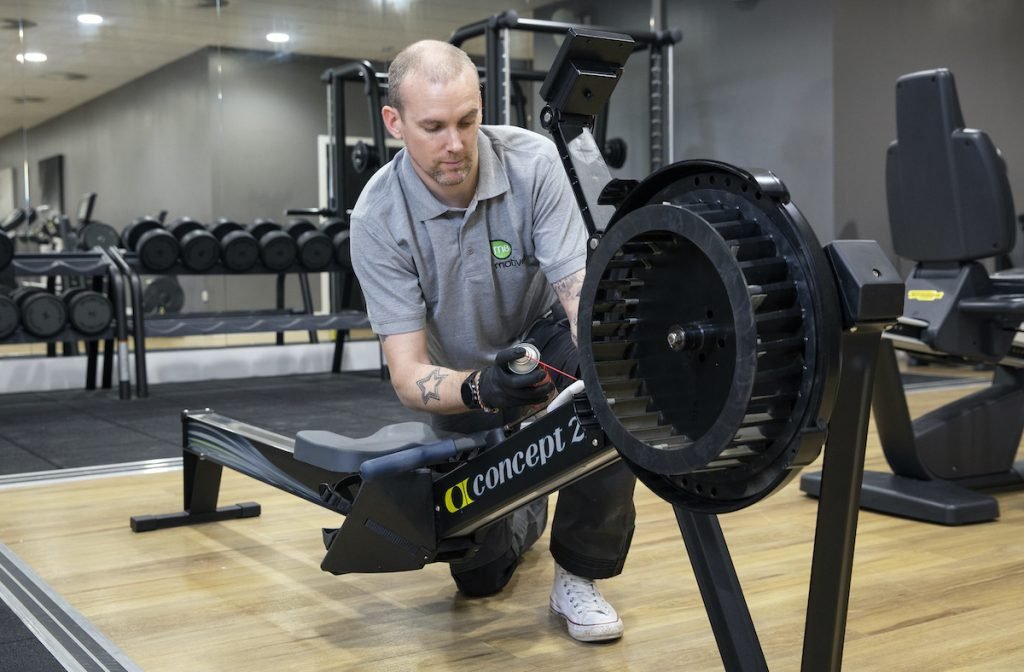
From a sustainability point of view, refurbished equipment also helps to decrease your carbon footprint by reducing waste. Although replacement parts will likely be needed in the refurbishment process, this is eclipsed by the resources needed to manufacturer new equipment. Metals and plastics are the main raw materials needed in the manufacturing process and, depending where you are in the world, shipping also adds to the overall effect on the environment.
One key benefit is that refurbished equipment is ready for use immediately – with current transport delays and costs (largely due to the post-Covid impact on materials and shipping) new gym equipment can have excessive lead times, which could impact the opening date of your facility.
Things to consider
Reduced warranty periods – New equipment can come with between 12-months to 36-month warranties.
Ensure you get at least a 12-month warranty with any refurbished gym equipment, parts, and labour.
Replacement Parts – The life expectancy of equipment often comes down do the availability of parts for your machines. Buy refurbished items from mainstream suppliers who have a distribution centre and support services in your country. This is imperative for when items are out of warranty to ensure you can extend the life expectancy of your equipment and reduce down time if a fault was to arise.
There is no denying that new equipment will have a longer life expectancy if comparing like for like manufacturers and models. Typically, depending on usage, maintenance routine, environment, quality of product – new machines will have a life expectancy of 7-15 years.
Furthermore, as technology progresses over time, some newer machines are also designed to be more environmentally friendly than older models, focusing on using human power to drive them rather than being powered by electricity. If sustainability is important to you, be sure to seek out self-powered models where possible.
Gym equipment installation
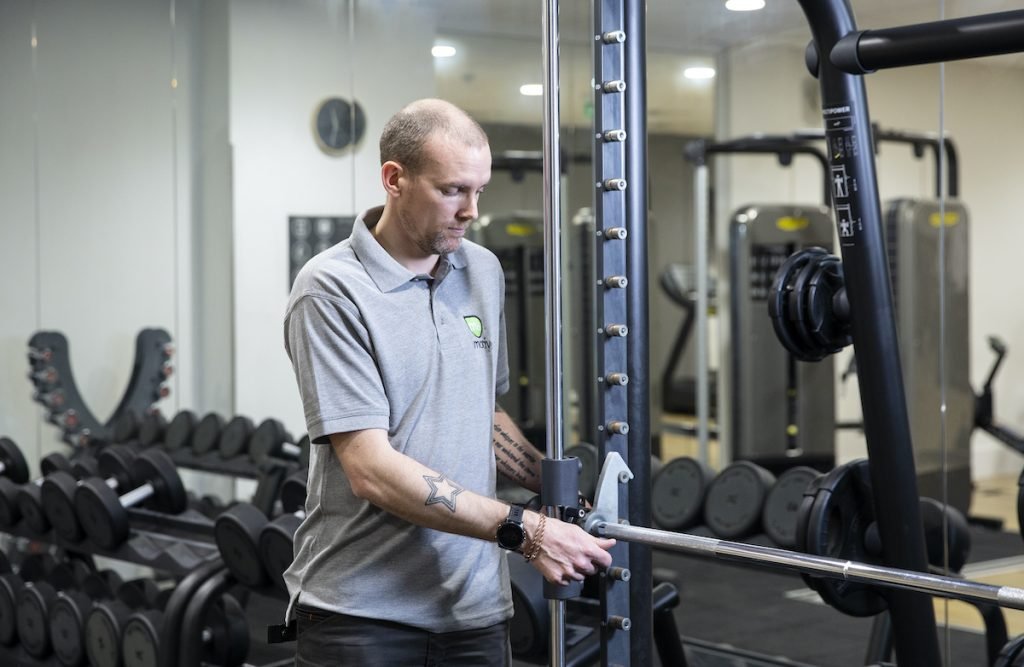
Some companies only offer the sale of equipment and don’t offer installation. Only buy refurbished equipment from a supplier that delivers, installs and hand overs the gym equipment thoroughly. Installation of gym equipment is logistically intensive and costly; trying to outsource this to another company could leave you with a big headache with the original supplier not honouring original warranties, damage to machines and building them.
Quality of the refurbishment process: use a reputable company that has in-house expertise and experience of thoroughly checking all parts for wear and tear and replace them if necessary. You often find that bigger companies will offer longer warranties, so always go for the longest warranty on offer where possible, 12 months plus.
Process of installation
You want to have peace of mind that any refurbished gym equipment you buy has been through a process and no corners are cut. The best refurbishment processes are carried out by companies with dedicated in-house experienced staff and facilities.
What to look out for when purchasing refurbished gym equipment:
Here are a few helpful tips on what you should look out for and thing you should check when purchasing refurbished gym equipment.
The supplier should:
- Dismantle machines to identify faulty parts.
- Make good any metal work which has signs of rust damage; this could be from a minor touch-up to full resprays/powder coating.
- Rebuild machines with new parts and replace all cracked/broken plastics.
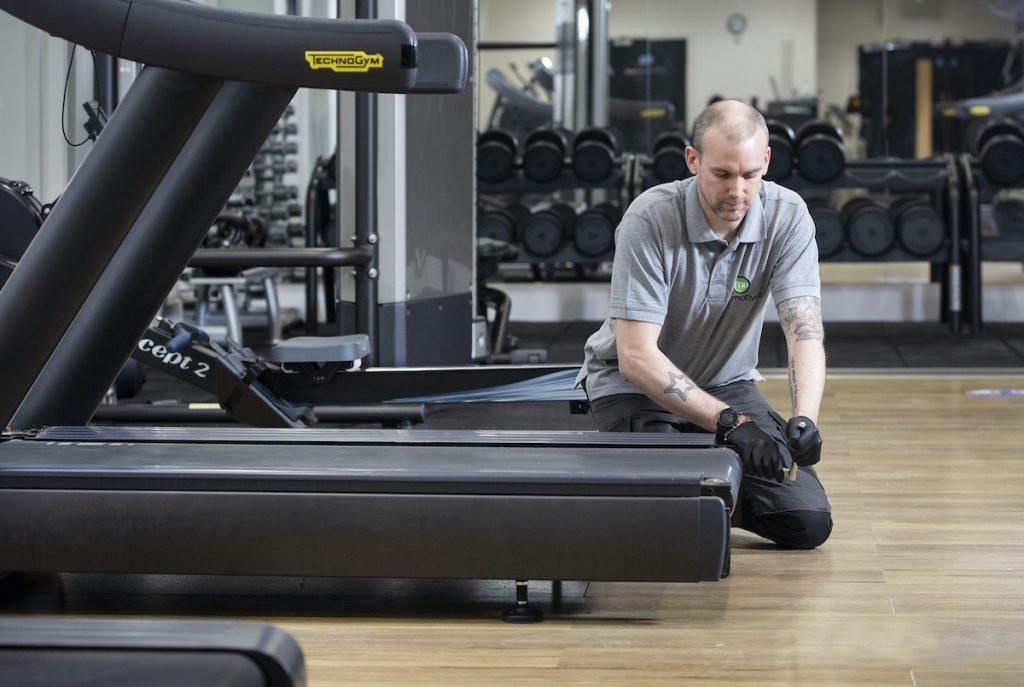
- Replace any worn parts with like for like manufacturer parts (OEM). In order to identify these parts, the machine needs to be stripped and every moving part checked. Common items that will be replaced will include treadmill roller bearings, drive belts, motors, running belts, overlays and screens, alternators and belts, clutch bearings, pedals, straps, Heart rate sensors and fly wheels.
- Software updated checked and calibrated where necessary
- Resistance equipment should have new upholstery, and parts that may need to be replaced are cables, bearings, pulleys, pins.
- Rowers typically should have chains and sprockets, shock cords, foot plates and straps replaced. You can even get the supplier to retro fit the new version of the console at an extra cost.
Cost and quality of refurbished gym equipment
Refurbished equipment is a great cost-effective alternative to new equipment, which also puts sustainability at the forefront of your business. However, it is important to remember a few key things to ensure you are receiving a quality item:
- Understanding of the refurbishment process carried out by supplier
- If possible, view equipment before buying and visit their refurbishment facilities
- Secure long warranties (12 months +)
- Ensure equipment is not end of line where you will struggle to get parts in the future
motive8 is the UK market leader when it comes to full-service premium health, fitness and leisure solutions. Founded in 2000, motive8 has fitted hundreds of facilities nationwide from home gyms to fully staffed residential facilities and everything in-between. motive8 provides wellbeing, fitness and maintenance services to dozens of residential managing agents and has contracts with over 250 facilities.
For more information about our equipment supply and installation services, please visit www.m8group.co.uk or contact richard.moon@m8group.co.uk.