

Imagine a gym where the flow is seamless, the lighting energises, the mirrors are strategically placed and the changing rooms and showers are safe and a haven of comfort.
This comprehensive guide will show you how to achieve just that! We’ll look into crucial gym design aspects like selecting the perfect flooring for different workout zones, maximising natural light for a motivating atmosphere, and optimising changing room layouts for efficient use of space.
GYM DESIGN – MATCH THE FLOORING TO THE FITNESS AREA
When designing a gym, it’s important to choose the right flooring for different workout zones.
We would always recommend that you match your flooring to the fitness area, heavy gym equipment and high-impact workouts and weightlifting zones require durable shock-absorbent surfaces. Lower impact exercise areas for yoga, Pilates and barre benefit from more comfortable, softer flooring.
Rubber flooring is ideal for weightlifting areas and sections of your gym where large-fixed equipment like power racks and dumbbell trees are positioned as it cushions and absorbs the impact, preventing the floor from denting and more serious long-term damage. Rubber is also a great material for reducing vibrations caused by heavy impact and reducing the noise from dropped weights.
Wood flooring makes the perfect option for commercial and residential gym floors and is ideal for high-volume traffic areas. Not only are wood floors durable but aesthetically, provide a premium looking surface, especially parquet and solid wood. Wood is generally an easy material to maintain and less likely to get damaged in a lower-impact fitness zone.
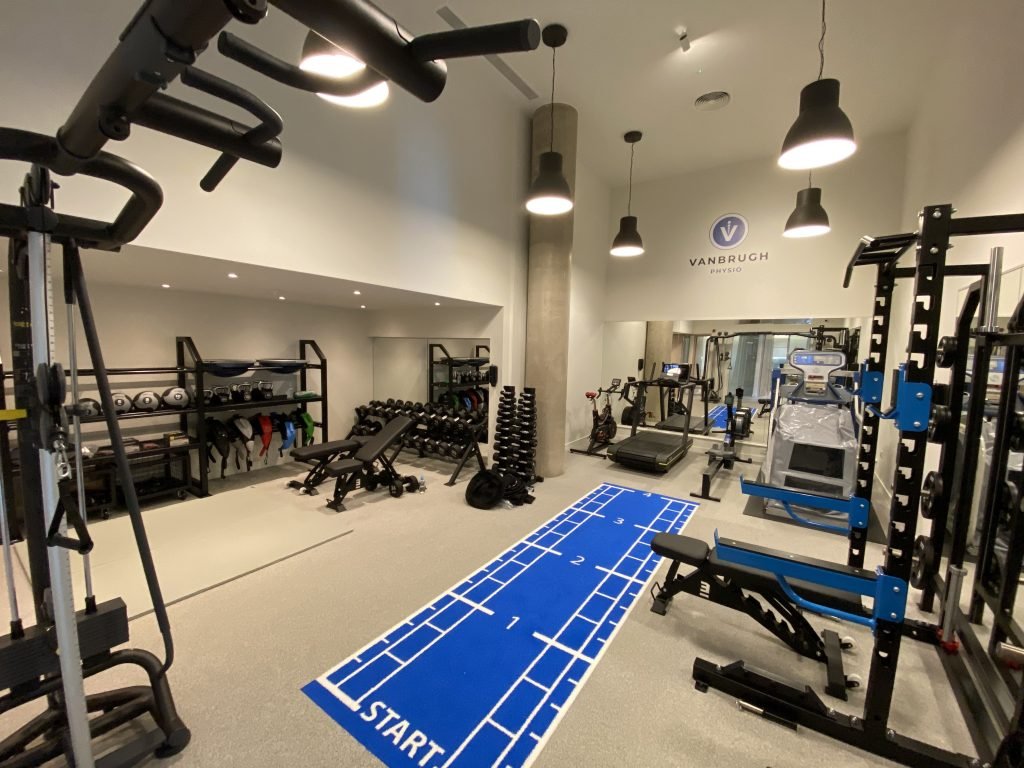
Sprint and sledge tracks have become a very popular addition to multi-functional training spaces and are the perfect surface for a wide range of functional fitness workouts such as sled pushing and battle rope exercises. Tracks are available in plain turf, come in a wide range of colours and can be fully customised to suit your gym vibe or company branding.
GYM DESIGN – INSPIRING GYM LIGHTING
Lighting plays a pivotal role in any gym space, serving not only to enhance safety but can also transform a space and create a unique aesthetic that sets you apart from the rest.
Creative Lighting – Getting creative with colour, different fixture shapes and the colour temperature can transform a gym into a space of inspiration. Incorporating vibrant lighting tones like orange, red, and purple can invigorate workout sessions, elevating heart rates and body temperatures. These dynamic colours are suited to spin studios, cardio zones, and strength areas, infusing energy into every movement. Conversely, serene and more natural lighting fosters tranquillity, making them ideal for yoga and Pilates studios users where mindfulness and calm environment is key.
Lighting Efficiency – Embracing energy-efficient LEDs not only reduces electricity costs but also aligns with eco-conscious practices, reducing your carbon footprint. From sleek halo-style fixtures to intuitive occupancy sensors and wireless controls, every lighting element contributes to creating the ideal gym ambiance and perfect gym experience.
GYM DESIGN – MIRRORS
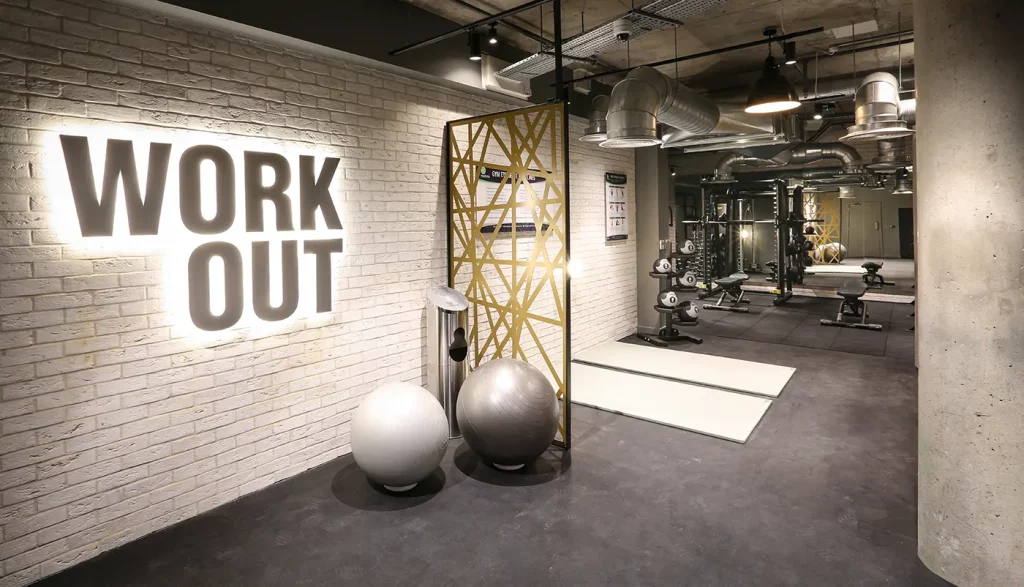
Mirrors play an important role in gym design, both functionality and aesthetically. Their strategic placement and thoughtful selection can transform a workout space, providing numerous benefits to gym-users and enhancing the overall atmosphere of the facility.
Visual Appeal – Mirrors can significantly enhance the visual appeal of a gym. They reflect light, making spaces appear brighter and more inviting. This is especially important in basement gym areas that might lack natural light. Mirrors can also create the illusion of more space, making small gym spaces look more open and inviting.
Design considerations – When designing a gym, it’s important to consider the placement and type of mirrors used. Full-length mirrors should be placed in areas of the gym where there is good lighting and where users can see their entire body. High quality, shatterproof mirrors are a must to ensure safety and durability.
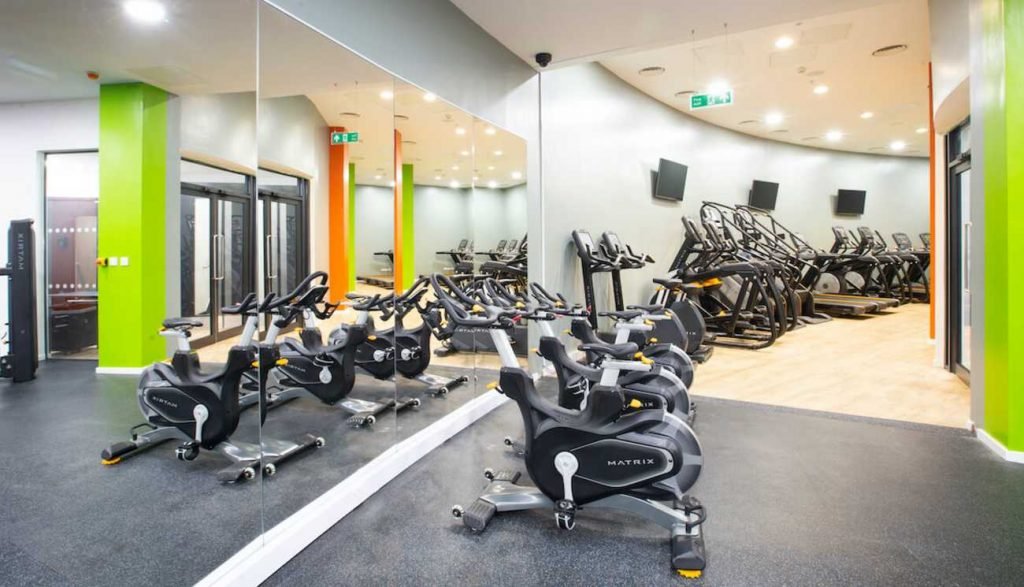
Technique and form correction – One of the main reasons for incorporating mirrors in gym design is to assist gym members and residents in monitoring and correcting their exercise form. Proper technique is crucial for maximising the effectiveness of workouts and preventing injuries. Mirrors provide immediate visual feedback; this is particularly beneficial for exercises such as weightlifting and group fitness classes.
GYM DESIGN – CHANGING ROOM LAYOUTS & DESIGN
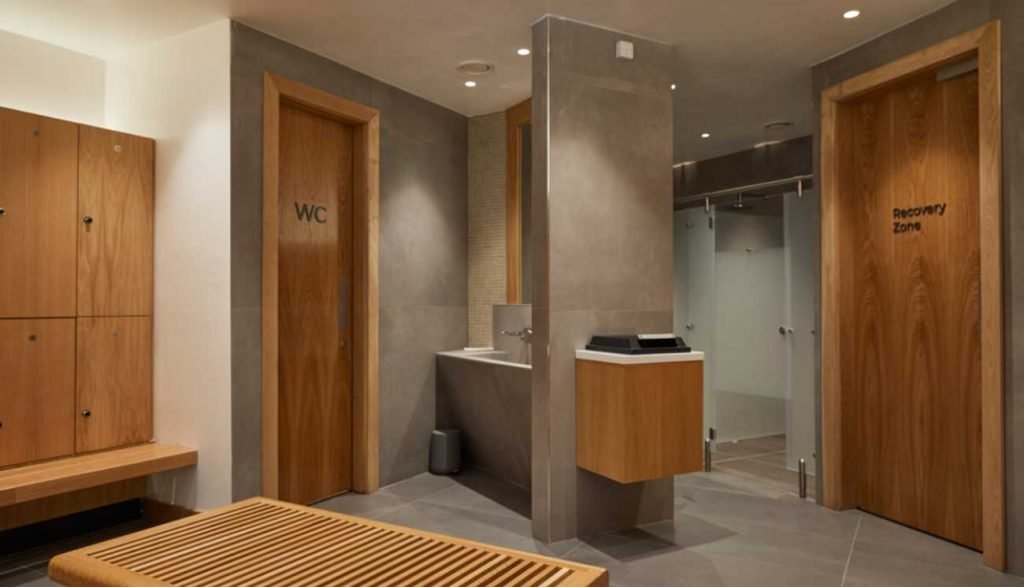
There are many benefits to a well-designed changing room, which can significantly impact the overall gym experience before and after a work-out or studio session. Designing a changing room requires a careful balance between functionality, aesthetics and adherence to safety and legal requirements.
Customer journey – Understanding the customer journey is vital in changing room design. Consider every element a user will encounter from the moment they arrive. How can you make their experience smoother and more enjoyable? This attention to detail can significantly enhance user satisfaction.
Functionality & design – Changing rooms are high-traffic areas that must be designed for efficiency and ease of use. Ensure easy access to all areas and create a layout that optimises the available space and is in keeping with the gym and spa facilities on offer. The design should be intuitive, guiding users seamlessly through the space while meeting all functional needs.
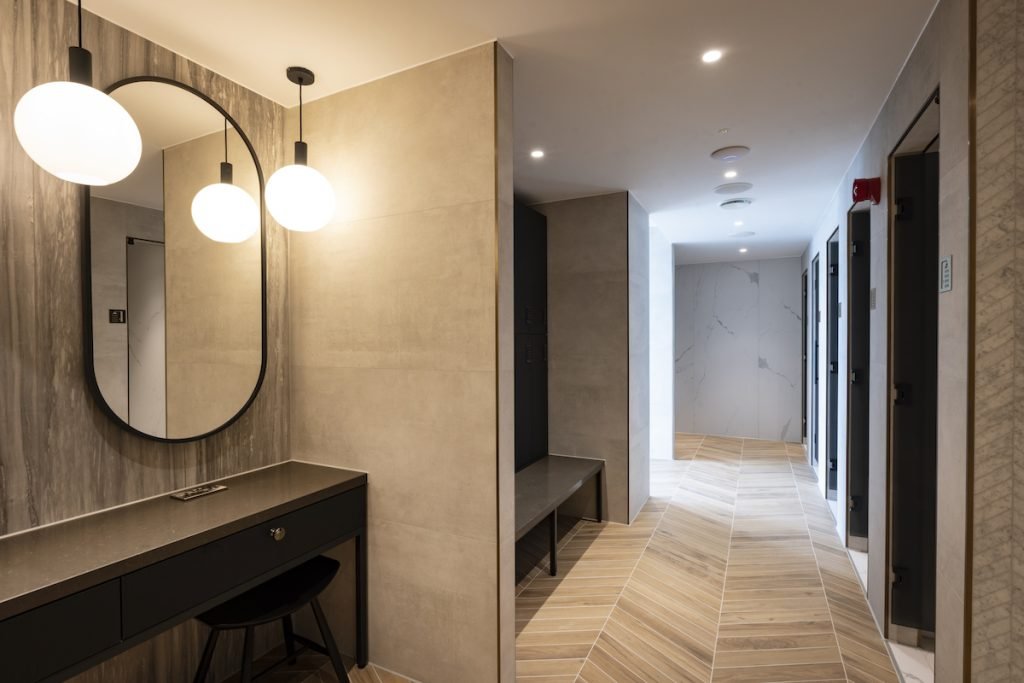
Vanity areas: When designing a vanity area make sure there is excellent lighting and comfortable seating. A set-down area within the vanity space allows space for hairdryers, hair/beauty product dispensers and ample space for personal belongings such as wash bags.
Lockers: Lockers are arguably one of the most important features of a leisure changing area, putting customers at ease about the safety of their belongings while they take advantage of the facility. Sufficient lockers to accommodate the maximum number of facility users must be considered and varying sized lockers (half and full height) allow space for larger sport kit bags and items such as walking aids or children’s equipment.
GYM DESIGN – SHOWERS FOR POST-WORKOUT COMFORT
For gym-goers, the post-workout shower isn’t just a mundane task; it’s a vital part of their fitness journey. It’s where they refresh, rejuvenate, and transition back into their daily routine. Understanding the significance of this experience, gyms are investing more in their shower areas, prioritising comfort, hygiene, and accessibility.
Strategic Placement – The placement of showers within a gym space is crucial for user convenience. In facilities with wet areas like pools or spas, showers should be strategically positioned nearby. This encourages users to shower before and after using these amenities, promoting hygiene and preventing the spread of pollutants. In dry-only gym spaces, showers should be located near changing areas, ensuring a smooth transition from workout to shower to changing clothes.
Maintenance Matters – Maintaining cleanliness is paramount to the success of any gym facility. Regular cleaning and maintenance not only ensures good hygiene standards but also contributes to the longevity of the shower spaces. Many gyms opt to outsource cleaning tasks to professional companies to uphold high standards consistently.
Design Choices – The design of shower spaces has evolved significantly in recent years. While traditional acrylic cubicles remain popular for their durability and affordability, there’s a growing trend towards more modern materials like tiles and glass. These options not only elevate the aesthetic appeal but also convey a sense of luxury and sophistication.
Accessibility Considerations – Creating an inclusive environment is essential for any gym. Shower areas should be designed with accessibility in mind, with features like level access without stepped thresholds and wheelchair-friendly layouts. Incorporating floor drainage channels ensures efficient water removal, further enhancing safety and accessibility for all users.
Looking for an inspiring gym or changing room design? Contact us today to speak with one of our experienced gym designers: info@m8group.co.uk or call 020 8481 9700.