

‘Is your hotel gym working hard enough for your brand?’
Hotel gyms are no longer an afterthought tucked beside a meeting room. For many guests, the quality of the fitness space plays a direct role in booking decisions, brand perception and overall satisfaction. Whether travelling for business or leisure, today’s guests expect more than a treadmill and a set of light dumbbells.
A well-designed hotel gym supports guest wellbeing, strengthens brand positioning and delivers long-term operational value. When approached strategically, it can also unlock other revenue streams and strengthen guest loyalty. From equipment selection to layout planning, here’s how to approach hotel gym design with purpose.
Gym design with purpose – not just equipment
Effective hotel gym design begins with understanding who will use the space and how.
A city-centre corporate hotel will typically see short, high-intensity morning sessions. Guests value speed, reliability and intuitive equipment. In contrast, a lifestyle or boutique property may attract travellers who prioritise wellness as part of their stay, expecting a more considered strength and functional offering. Long-stay or aparthotel models often require greater variety to serve repeat users.
Aligning the fitness space with the hotel’s broader positioning ensures the gym feels intentional and integrated, not an afterthought located near back-of-house areas.
The design should also complement the wider interior concept of the hotel. Lighting, materials, greenery and feature walls can transform a gym from a purely functional room into a visually engaging environment. Thoughtful touches such as mood lighting, motivational graphics or biophilic elements create a space that feels aligned with modern hospitality rather than a traditional commercial gym.
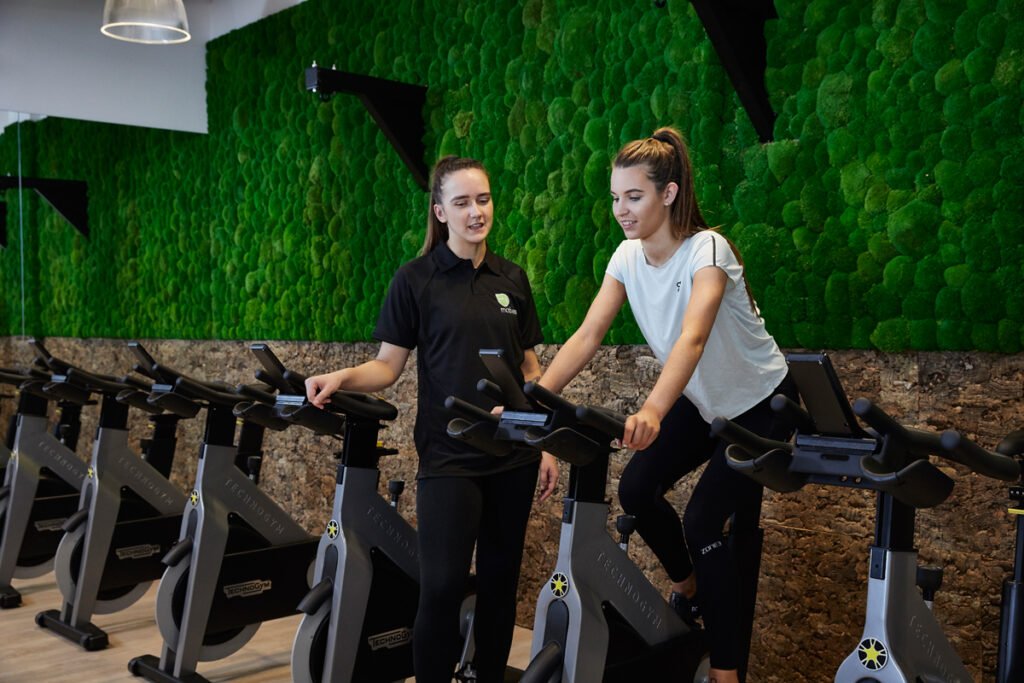
Consider how large the space needs to be in relation to room count and whether external membership will form part of your strategy. Introducing external membership changes capacity planning, peak-time usage and access requirements. Designing with both guest and member flow in mind prevents overcrowding, protects guest experience and ensures the facility performs commercially as well as operationally.
Start gym design from the ground up
Flooring is one of the most important, and often underestimated elements of hotel gym design.
Creating a guest journey through the gym can be achieved through subtle floor transitions that define cardio, resistance and functional zones. Beyond aesthetics, flooring must address durability, usage intensity and the risk of sound and vibration transfer, particularly in multi-storey settings.
The market now offers far more than standard black rubber. Carefully selected flooring solutions can add visual interest while reinforcing zoning clarity and protecting adjacent spaces from noise disruption.
Curate equipment strategically
The foundation of a successful hotel gym lies in selecting commercial-grade equipment that delivers durability, usability and flexibility within a limited footprint.
Cardio Provision
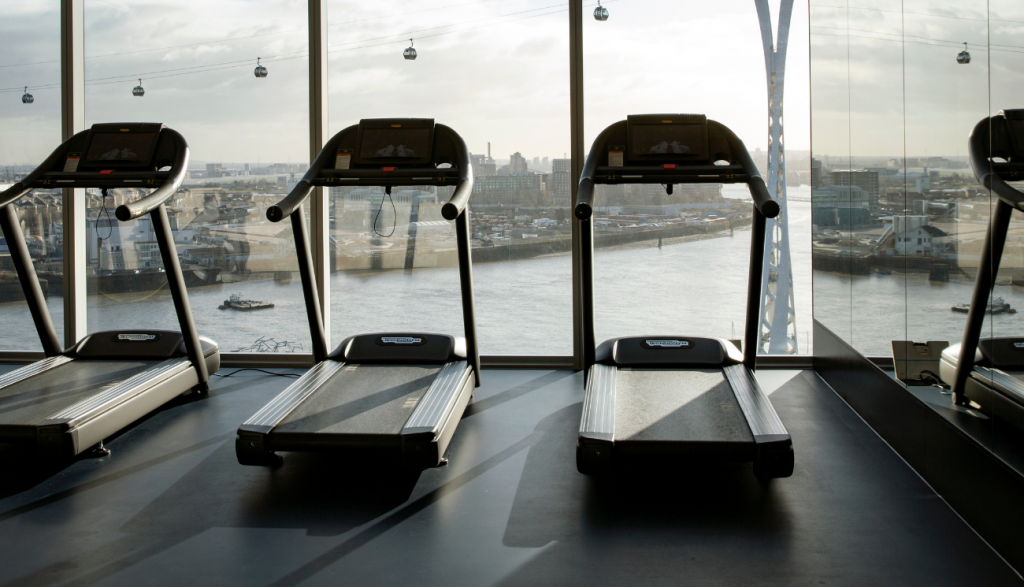
Commercial treadmills, cross trainers and upright bikes form the backbone of most hotel fitness spaces. Quantities should be aligned with occupancy levels, while positioning equipment toward windows or feature walls enhances comfort and encourages longer use. Where space permits, incorporating a rower introduces training variety without requiring extensive square footage.
Strength Training
Rather than filling a room with single-function machines, a more refined approach prioritises adjustable benches, cable-based systems and multi-use resistance stations. Weight-stack machines with intuitive adjustments allow guests of varying experience levels to train confidently, while dual-function equipment maximises exercise options from a compact footprint. A well-considered free-weight range, typically up to 30kg depending on hotel tier, adds further depth.
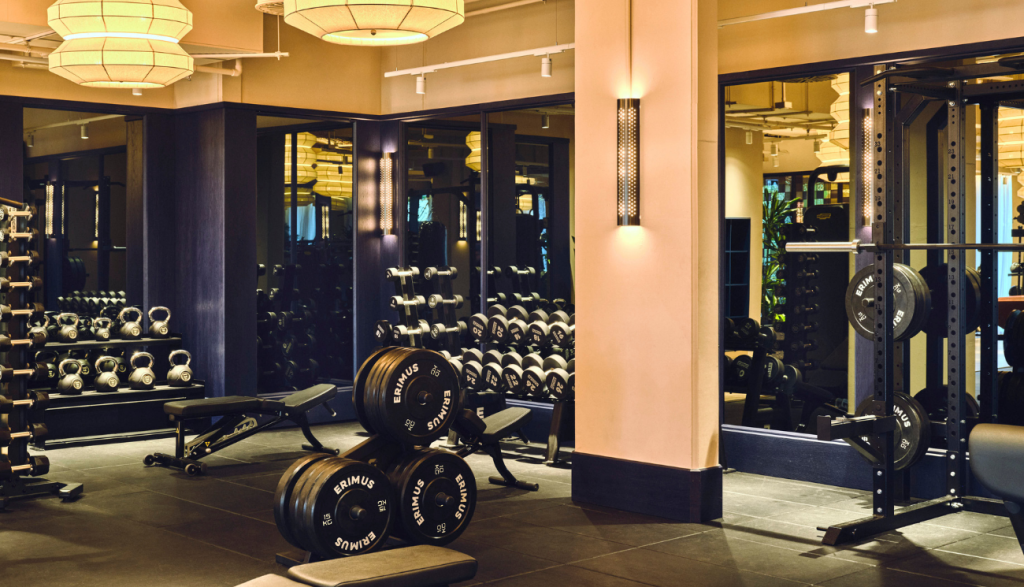
Not every space requires a single-brand solution. A carefully curated blend of equipment, balancing durability, performance and visual impact, often delivers a better long-term value.
Functional Recovery
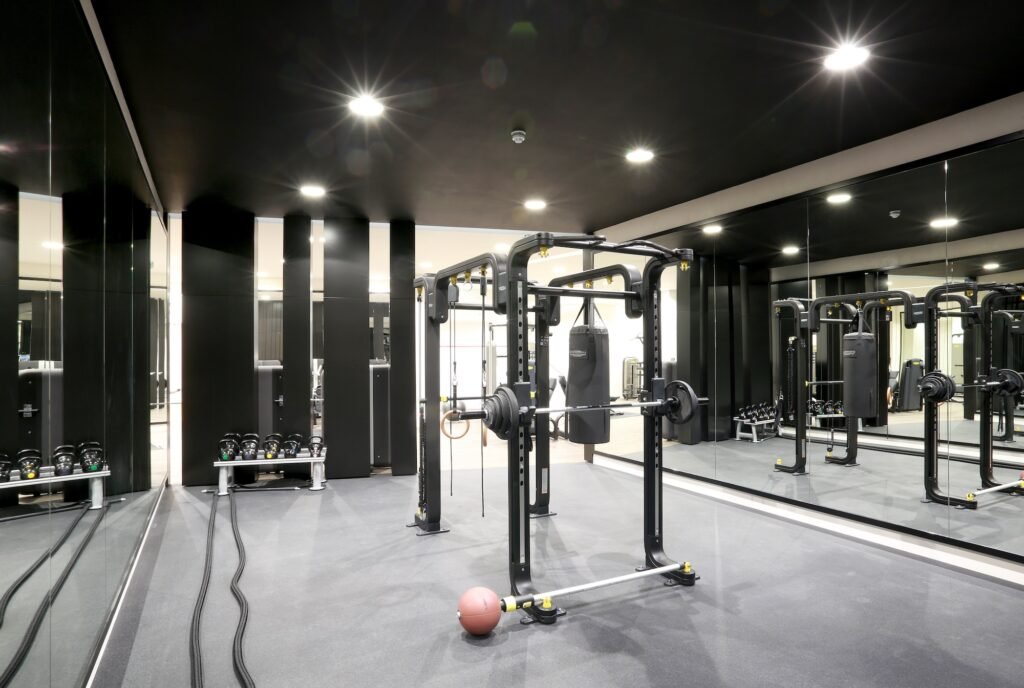
Modern guests increasingly expect space for bodyweight training and recovery. A defined mat area, complemented by kettlebells, resistance bands and mobility tools, supports this shift without significantly increasing spatial requirements. Integrated storage solutions maintain visual clarity and prevent the space from feeling cluttered.
Dedicated recovery or stretch zones are frequently overlooked but can significantly enhance your amenity’s appeal. Using flooring changes or subtle design cues to define these areas reinforces their importance.
The objective is not to replicate a high-street gym, but to curate a balanced offering that feels premium, purposeful and easy to navigate.
Dormy House Hotel case study
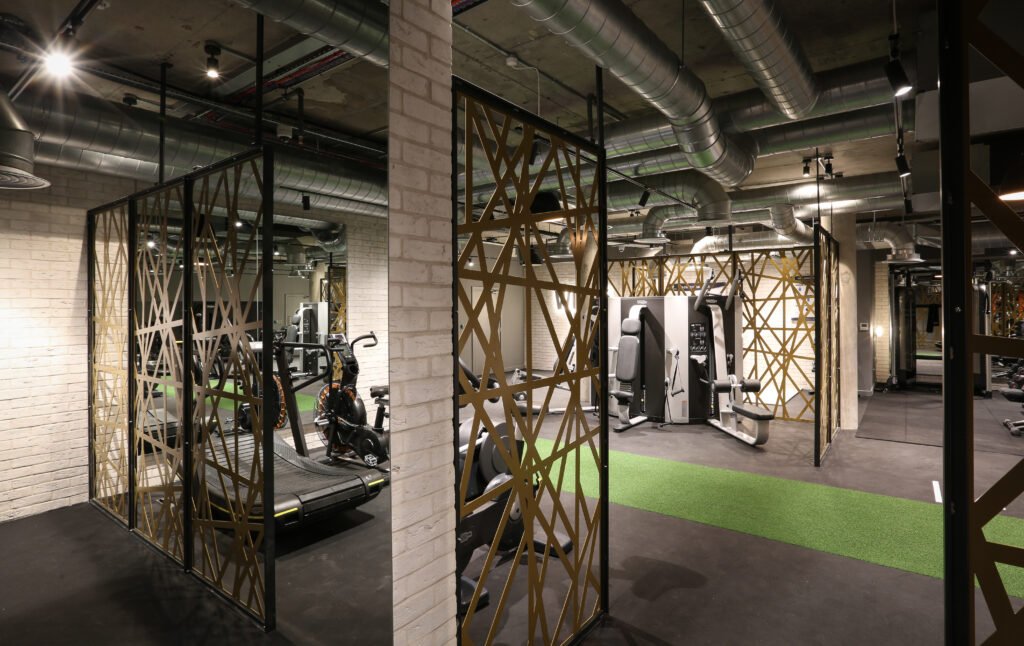
An example of this approach in action is motive8’s work at Dormy House Hotel, where we delivered the gym design and full equipment supply as part of the hotel’s wider wellness offering.
The challenge was to create a fitness space that reflected the hotel’s premium boutique positioning while remaining efficient in footprint.
By carefully curating commercial-grade cardio and versatile strength equipment, and zoning the layout to maximise flow, the space now feels cohesive and aligned with the wider brand aesthetic. The project demonstrates how intelligent spatial planning and curated specification can enhance both guest perception and operational performance within a compact footprint.
Spatial planning that supports flow and safety
Layout is often the defining factor between an underperforming hotel gym and one that feels confident and professional.
Clear zoning enhances usability. Cardio equipment typically anchors one side of the space, strength training occupies a central or structured zone, and functional or stretching areas are positioned where ceiling height and clearance allow dynamic movement. This organisation reduces uncertainty and improves user flow.
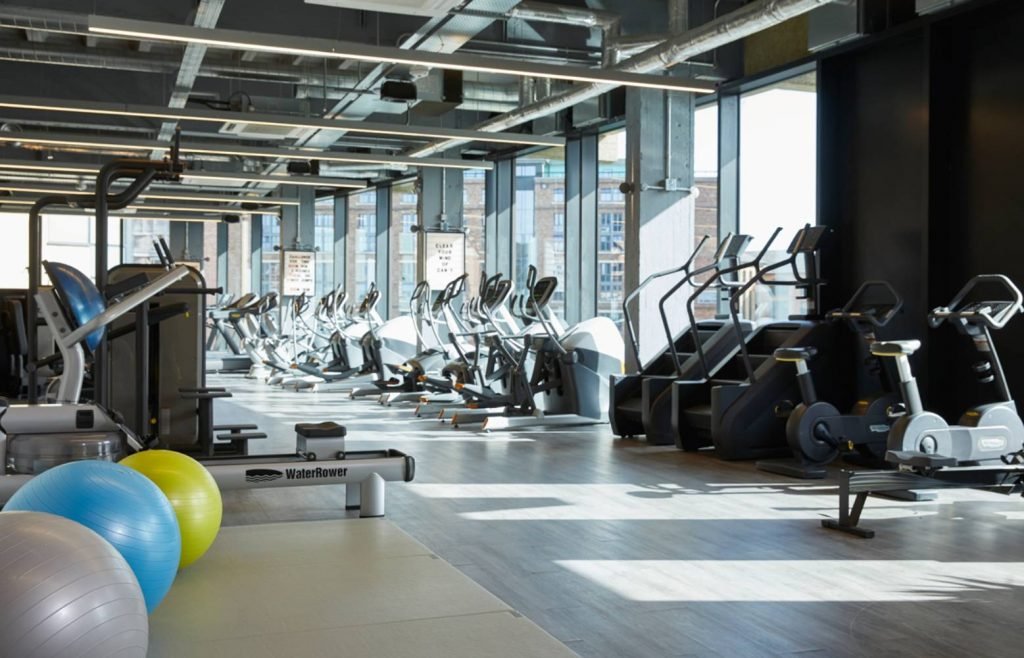
Equally important is circulation space. Adequate clearance around treadmills and resistance equipment ensures safety and comfort, while preventing the room from feeling overcrowded. Even within modest footprints, intelligent layout design can significantly improve perceived spaciousness.
Lighting and materials complete the experience. Harsh overhead lighting can make a gym feel clinical, whereas layered lighting, combined with strategic mirrors and durable, high-quality flooring, contributes to a calmer, more refined environment. Acoustics should also be considered, particularly in mixed-use or multi-storey hotel settings.
Don’t forget operational essentials such as reliable WIFI for connected cardio equipment, careful consideration of sound and vibration transfer, and clear safety planning. These practical details underpin long-term performance.
Beyond amenity
A well-designed hotel gym can also support commercial objectives beyond guest satisfaction.
External gym memberships can provide a valuable secondary revenue stream while driving additional footfall to on-site food and beverage outlets. Positioning your facility as five-star quality within a three- or four-star property can create a powerful point of differentiation within competitive markets.
When carefully managed, membership can also help offset costs whilst positioning your hotel as a local wellness destination.
Refurbishment as a proactive strategy
Not every property requires a complete redesign to revitalise its hotel fitness offering. In many cases, reconfiguring layout, upgrading outdated cardio equipment and refining finishes can significantly improve both performance and perception.
Refurbishment should not only be reactive to guest feedback, but proactive in response to evolving wellness trends, sustainability expectations and advances in connected fitness technology.
For hotels exploring membership for the first time, refurbishment can also be the ideal moment to reconfigure layout and access to support this shift.
A strategic refresh, informed by occupancy data, competitor positioning and industry insight, often delivers strong returns without extensive structural change.
Sustainability and long-term performance
Sustainability has become an important consideration within hospitality design, and hotel gyms are no exception.
Energy-efficient cardio equipment, durable finishes and responsible end-of-life recycling programmes contribute to environmental objectives while reducing operational costs. Selecting robust, commercial-grade equipment also ensures longevity, with most well-designed hotel gyms remaining relevant for five to seven years before requiring significant updates.
Future-proofing the space from the outset minimises disruption and protects long-term value.
Fitness as a brand asset, not just a gym facility
Hotel gym design is no longer a secondary consideration within hospitality development. When thoughtfully planned, your fitness space becomes a strategic asset, supporting guest satisfaction, strengthening brand perception and contributing to long-term commercial performance.
From intelligent equipment selection to spatial flow, flooring specification and revenue strategy, a considered approach ensures your hotel gym performs as well commercially as it does aesthetically.
To discuss your next hotel gym design or refurbishment project, contact the motive8 team at info@m8group.co.uk or call 020 8481 9700.
This guide has been developed by Rob Baker-Stevens, motive8’s Head of Business Development, drawing on experience delivering hotel, residential, commercial and private fitness facilities across the UK.