

Health and safety management is a fundamental aspect of gym management and a core responsibility for anyone operating a fitness facility.. With a constant flow of members, residents in developments, staff, and contractors using various equipment and spaces, gyms are dynamic environments where risks can quickly emerge. This makes regular, thorough risk assessments not just best practice, but essential
Far from being a box-ticking exercise, risk assessments are a legal and practical requirement aligned with wider workplace safety regulations. They play a critical role in identifying potential hazards, reducing the likelihood of accidents and ensuring ongoing regulatory compliance. Ultimately, they create a safer environment for everyone who steps into your gym.
What is a gym risk assessment?
A gym risk assessment is a structured process used to identify potential hazards within a fitness environment. It assesses the likelihood and severity of risks associated with those hazards, and offers guidance regarding possible measures helping to mitigate them. The aim is to create and maintain a safe and welcoming space for all gym users.
Key areas of risk in gyms
Several areas within a gym require ongoing assessment on an annual basis to ensure health and safety standards are met:
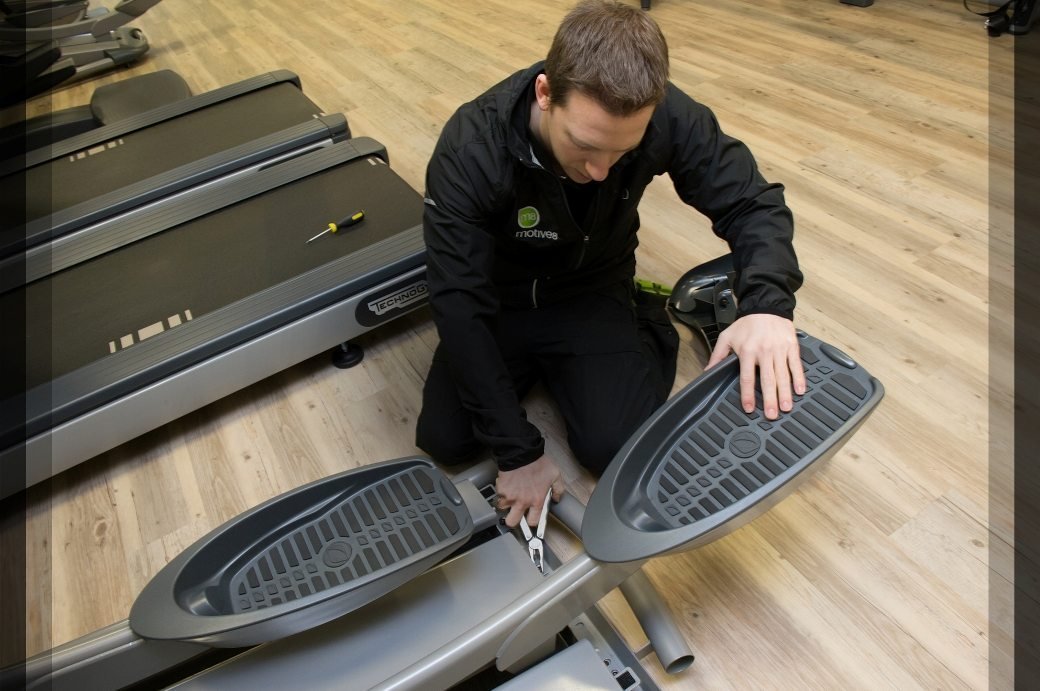
- Equipment usage: includes resistance machines, free weights and cardio machines. Hazards can arise from misuse, mechanical failure or poor maintenance.
- Wet areas: Poolside and spa surfaces, showers and changing rooms are high-risk areas for slips and falls.
- Group exercise spaces: overcrowding, equipment sharing and vigorous movement can lead to injury if not properly managed.
- Floors and walkways: spilled drinks, cluttered walkways or worn flooring can cause slips and trips.
- Emergency precautions: clear access to fire exits, visible signage and trained staff are all essential.
- Behavioural factors: unsafe behaviour by members or staff, whether intentional or due to lack of training, can increase risks significantly.
Legal and regulatory responsibilities
In the UK, gym operators are legally obliged to carry out risk assessments under the Health and Safety at Work etc. Act 1974. Other relevant legislation includes:
- COSHH (Control of Substances Hazardous to Health): Applies to cleaning materials and other chemicals used in gyms and swimming pools.
- PWTAG Code of Practice outlining pool water treatment system requirements.
- HSG179 Health and safety in swimming pools
- BS EN15288-1:2008 Parts 1 and 2
Failure to comply can result in serious consequences, from injury claims and fines to criminal liability.
Benefits of regular risk assessments
Beyond compliance, there are many benefits to conducting routine risk assessments:
- Injury prevention: proactive hazard identification reduces the likelihood of accidents.
- Enhanced member trust: demonstrating commitment to safety builds reputation and member loyalty.
- Staff confidence: well-informed staff are more confident and capable in maintaining a safe environment.
- Insurance protection: insurers often require evidence of up-to-date risk assessments in the event of a claim.
How to conduct an effective gym risk assessment
The risk assessment process involves a trained member of staff walking through the facility, evaluating and identifying any hazards and who might be harmed, especially specific at-risk groups. Evaluating the likelihood and impact of each hazard and deciding on appropriate control measures is a very important element, as is recording and documenting all findings and logging them along with actions taken.
Risk assessments should be working documents and must be reviewed at regular intervals or when changes occur.
If trained staff are not available, we would recommend using an external consultant to ensure thoroughness and facility standards are met.
Gym risk assessment case studies
In one of our managed residential gyms, regular risk assessments helped identify a recurring issue with minimising potential trip hazard due to equipment not being placed away after use and obstructing main walkways. The high risk factor was reduced by implementing additional storage solutions as well as incorporating housekeeping rules by building a facility T&Cs document and installing additional signage within the premises.
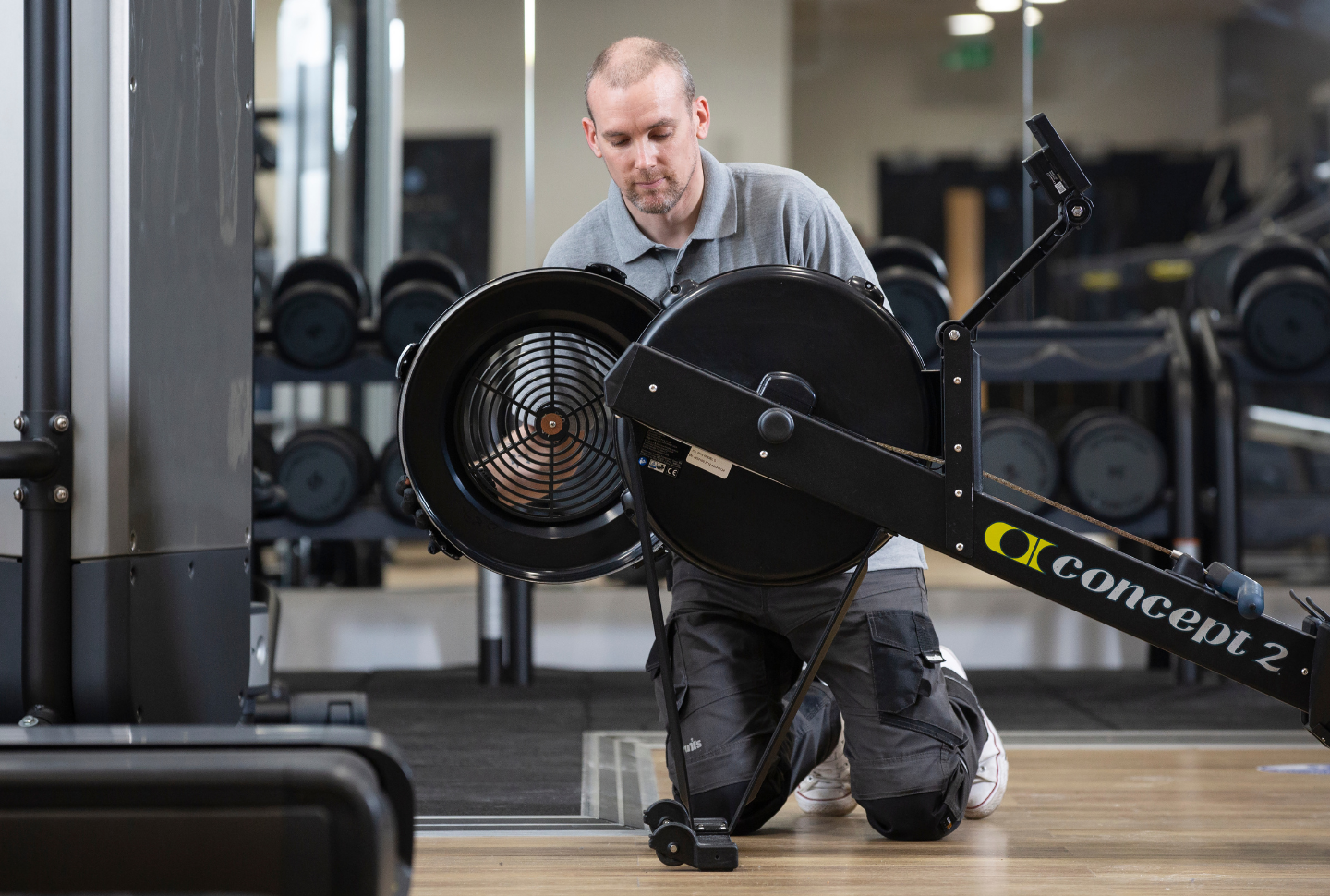
In another instance, a faulty cable machine was flagged during a routine inspection and taken out of service immediately, preventing potential injury and saving on costly repairs. Further support was provided by our team by scheduling team training sessions to help the concierge team incorporating regular equipment fault checks in line with keeping appropriate records.
Risk assessments are an indispensable part of effective gym management. They protect your people, support your legal responsibilities, and ultimately contribute to a better member experience. By treating risk assessments as a proactive, continuous process, gym operators can foster a culture of safety that benefits everyone who walks through the door
At motive8, our fully trained gym and spa management teams, alongside our skilled gym maintenance experts are dedicated to delivering the highest standards of service and operational excellence. We ensure the smooth and efficient running of every gym and spa facility we manage, taking care of everything from routine maintenance to comprehensive risk assessments and strict health and safety compliance.
If you’re looking for a trusted partner for your gym or spa operations, please don’t hesitate to get in touch. Contact us on 020 8481 9700 or email info@m8group.co.uk to speak with one of our team members.
Written by Filip Kozlowski, an experienced gym and leisure services manager at motive8 who has worked in the fitness industry since 2016.