
Behind every pristine indoor or outdoor swimming pool lies a hard-working plant room, the unseen room responsible for water quality, temperature regulation, safety system and more. In residential developments, commercial wellness spaces,, hotel and private spas, the plant room plays a critical role in member and guest experience, operational efficiency and long term asset value.
Neglecting this area can lead to costly downtime, compliance breaches and unhappy users. That’s why proactive pool maintenance is essential. In this guide, we’ll walk you through the key elements of plant room maintenance, helping you stay on top of your responsibilities and avoid common pitfalls.
What is a swimming pool plant room?
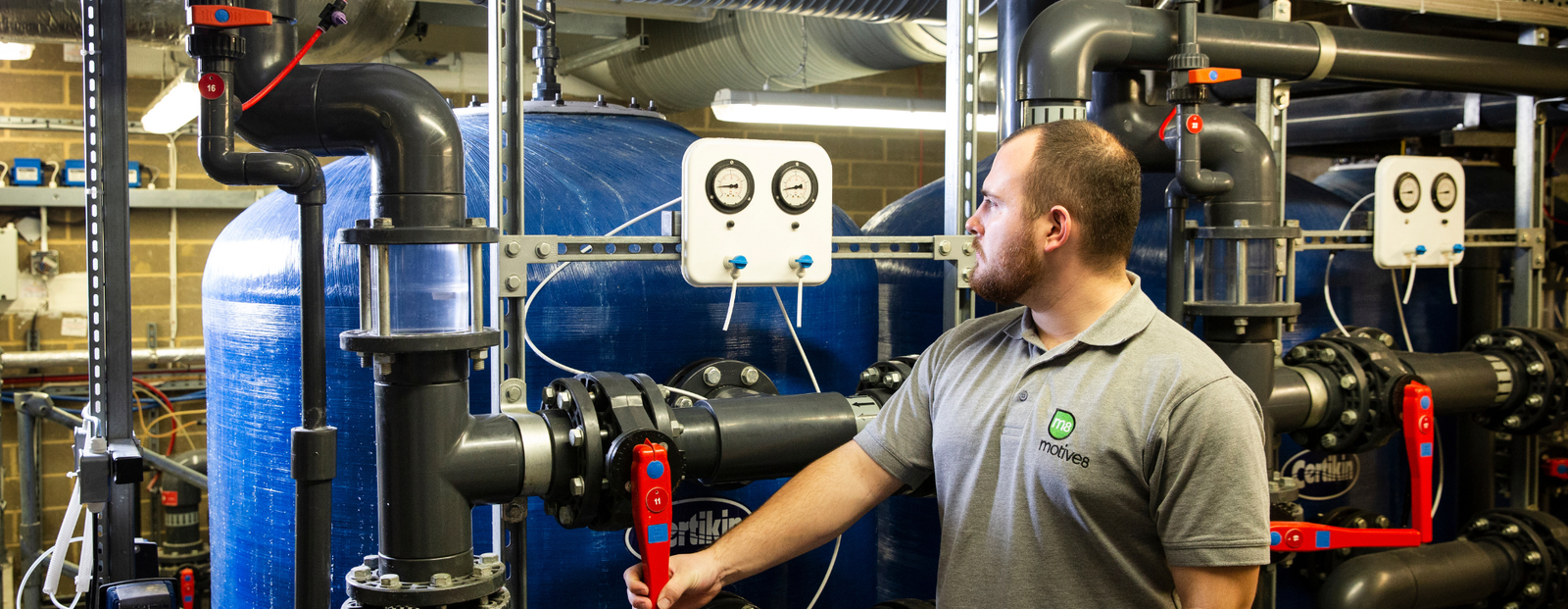
A plant room is the control hub for all mechanical and chemical systems that keep a swimming pool clean, safe and operational. Typically located out of sight, it houses key equipment including:
- pumps – to circulate water
- filtration systems – to remove debris and impurities
- chemical dosing units – to maintain safe pH and chlorine levels
- heat exchangers or boilers – to control water temperature
- control panels – to automate and monitor system performance
In larger residential and commercial properties, these systems are often more complex, operating continuously to meet high usage demand and strict health and safety standards. In these spaces, maintenance shouldn’t be overlooked or left solely to reactive servicing. In private residences, these systems also need regularly checking and maintaining.
The importance of regular pool maintenance
For developers, property managers and facility operators, a well-maintained plant room is essential for several reasons:
- resident and guest satisfaction – clean, warm and safe pools enhance the user experience and reduce complaints.
- system longevity – regular servicing extends the life of high-value equipment and avoids premature breakdowns.
- energy efficiency – optimised systems consume less power and reduce operational costs.
- compliance – maintenance supports adherence to health and safety regulations, including water quality standards and chemical handling protocols.
- cost control – preventative maintenance helps avoid expensive emergency repairs or downtime during peak usage periods.
Simply put, a proactive approach to plant room upkeep protects your investment, both in terms of infrastructure and brand reputation.
For private home owners, regular pool maintenance is just as important to ensure the water stays clean, chemically balanced and free from harmful bacteria or algae.
Key plant room components to monitor
Plant rooms contain several systems, each playing a vital role in pool operation. Regular inspections and maintenance of these components are essential to prevent performance issues and safety hazards:
Pumps
Keep water circulating through filters and dosing systems. Always check for leaks, abnormal noises and worn seals.
Filters
Trap debris and particles to keep water clear. Sand or cartridge filters should be cleaned or backwashed regularly to maintain flow and efficiency.
Chemical dosing equipment
Automatically regulates chlorine, pH and other chemical levels. Sensors and dosing pumps need routine calibration to ensure water remains safe and balanced.
Heat exchangers or boilers
Maintain a consistent water temperature. Limescale build-up and corrosion can affect performance, especially in hard water areas.
UV or Ozone systems (if installed)
Supplement chemical treatment for added sanitation. These systems require lamp or component replacement on schedule.
Control panels and sensors
Monitor and automate pool conditions. Software updates and sensor recalibration are key to avoiding false readings.
Routine checks and servicing schedule
Preventative maintenance should follow a structured schedule to catch and resolve issues early.
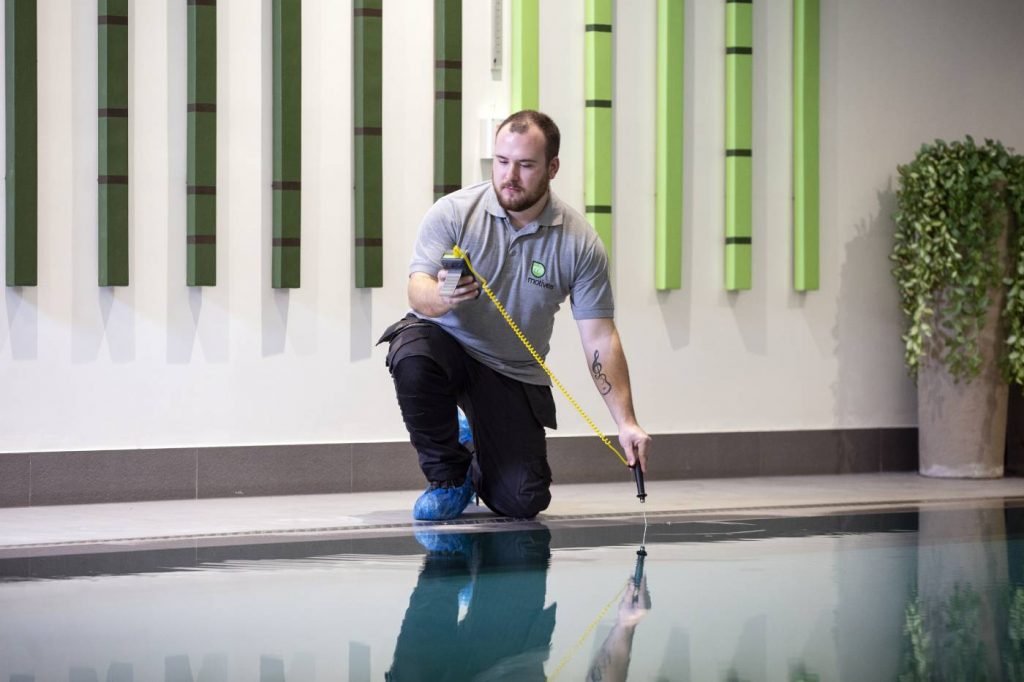
Daily tasks typically include checking and recording water temperature, chlorine and pH levels, visually inspecting pumps and dosing equipment, and ensuring chemical tanks are topped up.
Weekly routines involve backwashing sand filters, cleaning skimmer baskets and strainers, and listening for unusual sounds or leaks. Monthly checks should focus on mechanical wear, sensor calibration and monitoring energy consumption.
Quarterly, systems benefit from deep cleaning, pump lubrication and a technical review.
Finally, a full annual (or biannual for high-traffic pools) inspection by a certified engineer ensures compliance, replaces worn components like UV lamps, and optimises chemical dosing.
For residential developments and commercial facilities, partnering with a professional pool maintenance provider ensures all work is carried out on schedule and fully documented.
Compliance and health & safety considerations
Maintaining a swimming pool plant room isn’t just about performance, it’s a compliance obligation, particularly in shared-use environments like residential developments, hotels or public fitness centres.
Key UK regulations and guidance documents include:
Health and Safety Executive (HSE) guidelines
Especially the HSG282 for spa-pools and HSG179 for swimming pools. Check here for further information on HSE guidelines.
COSHH regulations (Control of substances hazardous to health)
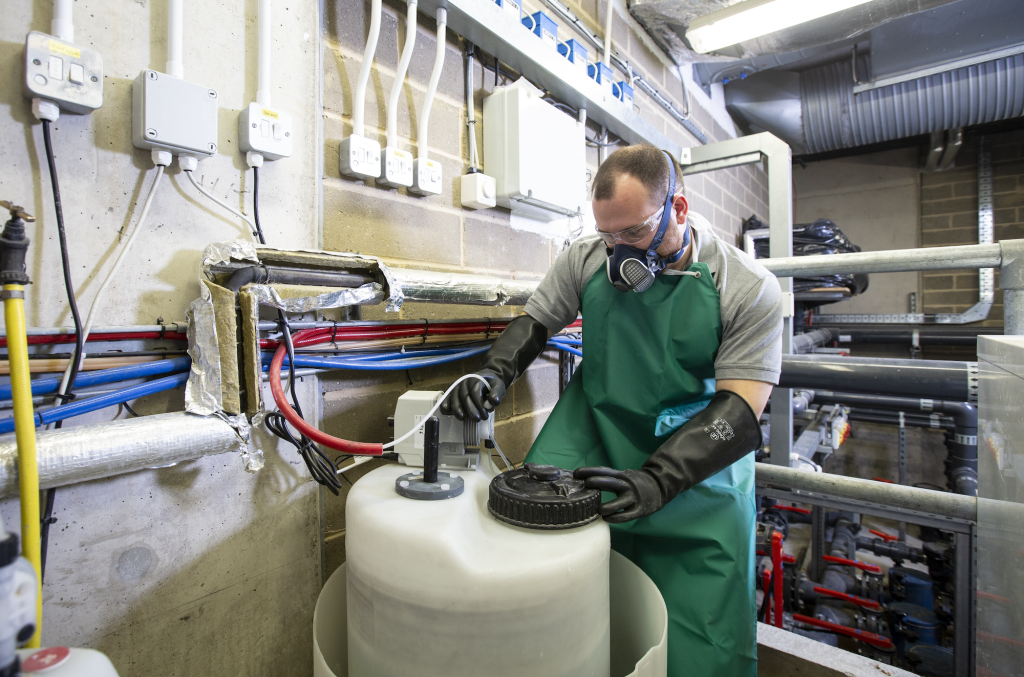
Chemical storage and handling must follow clear protocols, with appropriate PPE, signage, and staff training.
Legionella risk management
Pools must be managed to prevent waterborne bacteria. Regular water testing and temperature control are crucial.
Emergency Protocols
Plant rooms should have emergency shut-offs, fire extinguishers, spill kits and clearly marked exits.
Working with professional pool maintenance providers
In high-spec residential and commercial settings, it pays to work with specialist pool maintenance teams who understand both the technical and operational demands of shared-use pools.
A professional provider should offer:
- scheduled servicing and 24/7 callout support
- trained engineers familiar with chemical handling, filtration systems, and controls
- detailed reporting and digital maintenance logs
- compliance support, including water testing and risk assessments
- consultation on system upgrades, efficiency improvements and lifecycle planning
For residential developments and commercial spaces, partnering with a specialist maintenance provider ensures all servicing is completed on time, to standard and fully documented for compliance.
For private pool owners, some of these tasks can be done independently but we would always recommend some professional guidance.
Need help maintaining your pool plant room? Whether you’re a homeowner or managing a commercial or residential development, our expert team offers tailored servicing, compliance support and ongoing pool and spa maintenance solutions.
Contact our team on 020 8481 9700 or email info@m8group.co.uk to book a consultation or discuss your pool and spa servicing needs.
This feature was developed in collaboration with Richard Moon and Charlie King, our in-house swimming pool and spa maintenance specialists. With years of hands-on experience across residential and commercial environments, they bring expert insight in pool maintenance and efficient pool operations.