The COVID years and the lasting effects of the pandemic have brought a sharp focus on health and wellbeing, driving growth in gym, hotel, spa, and home fitness. Individuals are not only exercising more but are also engaging with personal trainers, online content, supplements, and nutritional programmes to maximise the efficiency of their workouts and help achieve their goals.
Professional and elite athletes, too, are performing more frequently, with increased games, races, and events to meet growing TV commitments and fan interest. This has heightened the demand for advanced recovery solutions. While gyms and spas have long promoted saunas and steam rooms as relaxation tools, their physiological benefits have often been underappreciated and regarded merely as CAPEX-driven add-ons.
However, the concept of ‘Thermal Experiences’ is hardly new – the ancient Romans and Greeks understood the relaxation and cleansing benefits of hot/cold reactions.
While these developments are encouraging for the health industry, the additional demands placed on the body must be balanced with rest, stretching, improved sleep, and often third-party recovery support.
The focus has increasingly shifted to understanding treatments, their physiological impacts, and how they can integrate into training programmes. In collaboration with Andrew Brown, one of our gym design consultants, we believe these are some of the standout recovery trends for 2025:
Infrared Sauna
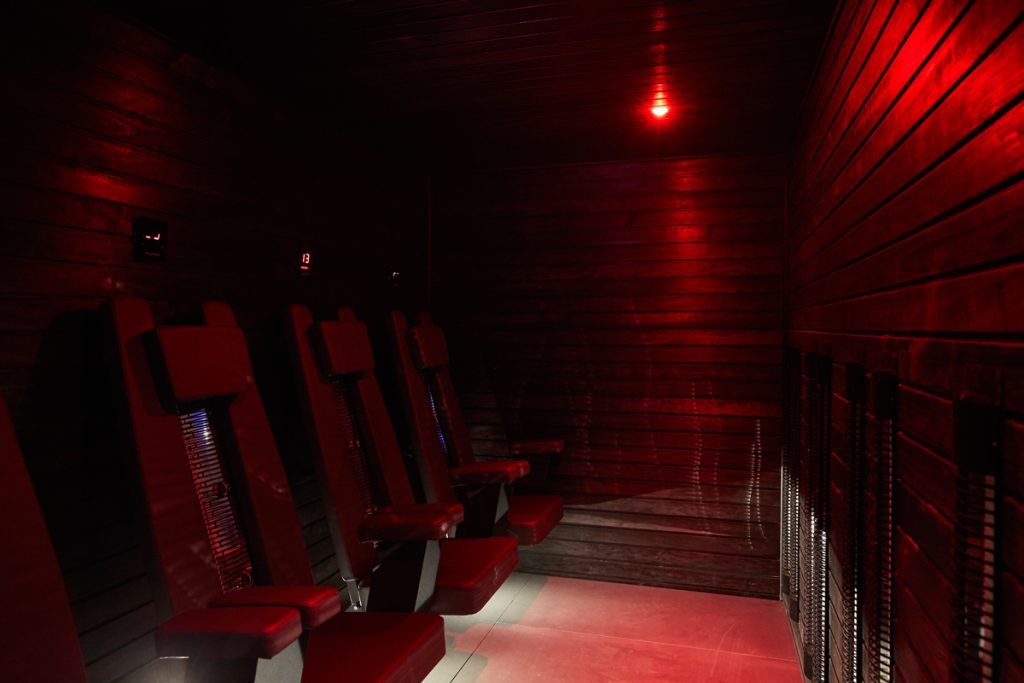
Traditional Finnish saunas are well-known fixtures in many gyms and spas, but infrared saunas are emerging as a valuable addition, particularly for those with specific injuries or chronic aches and pains. Unlike traditional saunas, infrared saunas heat the body directly rather than the surrounding environment. The infrared rays penetrate muscle tissue, stimulating mitochondria, often referred to as the “powerhouse” of the cell because they produce most of the energy needed for cellular functions, and increasing blood circulation. This process helps eliminate toxins from the blood, enhances muscle elasticity, and promotes relaxation. Additionally, infrared saunas offer a gentler heat, allowing for longer sessions and more efficient recovery.
Cold Therapy
The benefits of cold therapy are well-established, with practices like cold showers or quick dips gaining popularity. Figures like Wim Hof have brought cold therapy into the mainstream, but experts now stress that for maximum benefit, the cold needs to be extreme. For the average person, a sauna followed by a cold shower provides a rejuvenating buzz after a workout. However, elite athletes often require more intense and targeted approaches.
Ice Baths
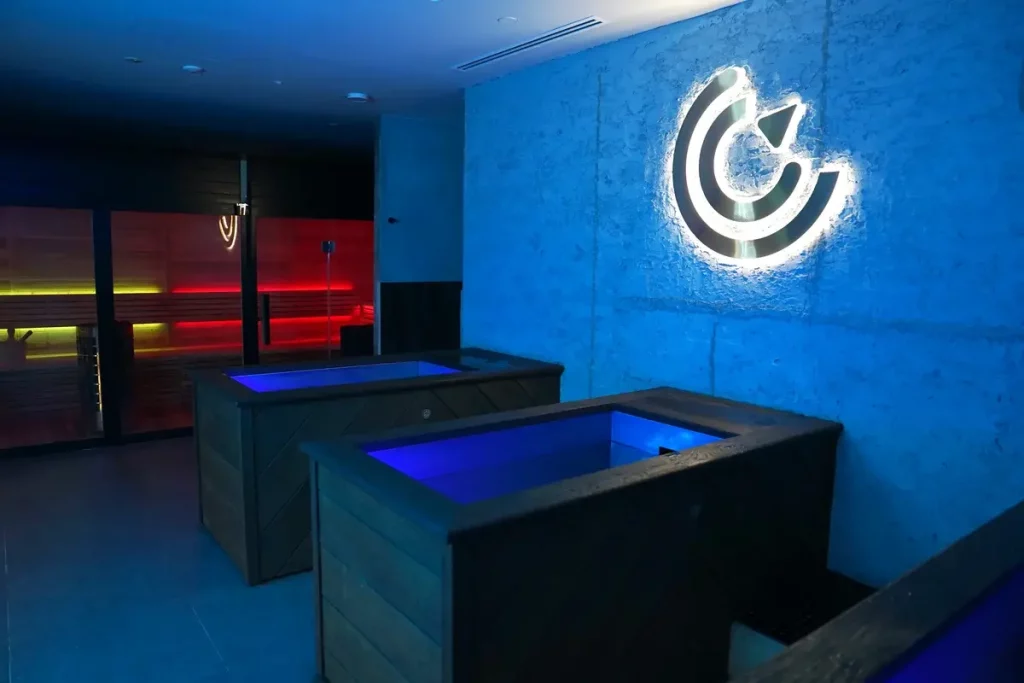
Ice baths have been a familiar recovery tool for years, but only recently have specialists emphasised the importance of achieving and maintaining the right temperature for effectiveness. While many affordable ice bath options exist online, only a few manufacturers consistently deliver the necessary experience. Brass Monkey, a leading UK supplier, has gained prominence for providing professional-grade ice baths and cold plunges designed for precise recovery needs.
Cryotherapy
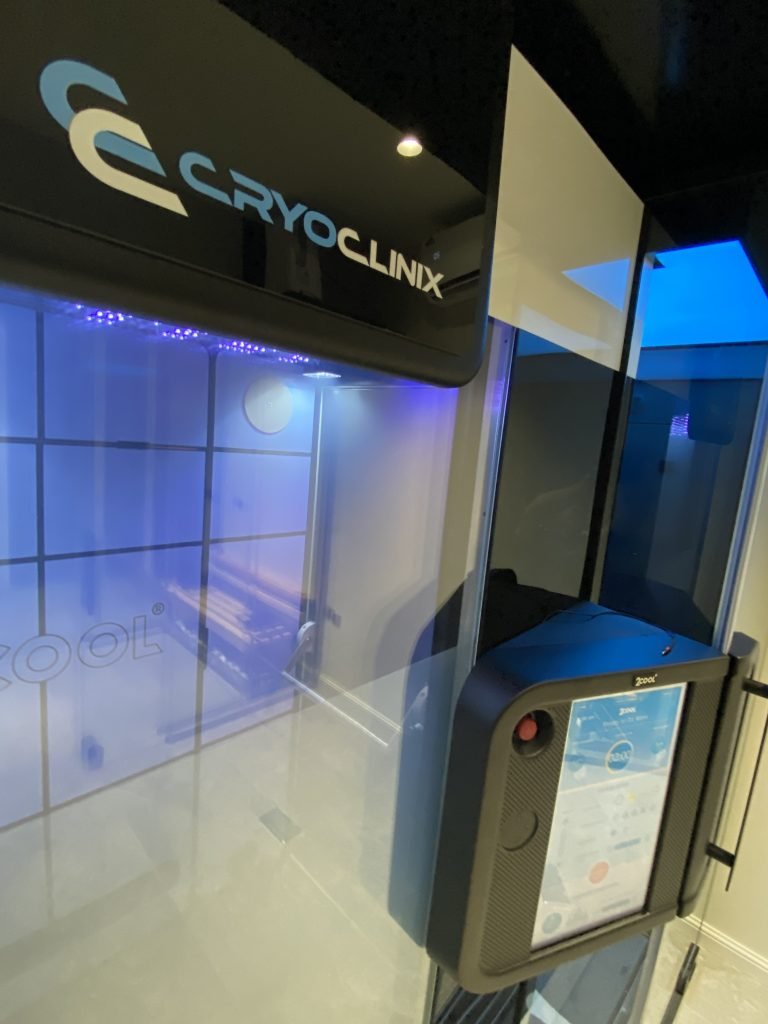
Cryotherapy has become a staple in the weekly routines of most elite athletes, offering significant physiological and mental health benefits. Additionally, it has demonstrated medical benefits for conditions like cancer, skin disorders, and muscular ailments.
During cryotherapy sessions, electricity is used to lower the cabin’s internal temperature to below -100°C – 120°C, with the non-invasive treatments lasting up to three minutes, significantly lowering the body’s blood temperature and creating a fight/flight reaction.
The body’s filtering organs help cleanse the system of lactic, toxin and bruising.
The results are remarkable, and many athletes undergo cryotherapy as frequently as five times a week.
Used by athletes, gym goers, spa users and medical practitioners, cryotherapy is no longer the bastion of the best athletes in the world, but now used by the general public for wellness, weight loss, pain management and improved mobility.
The above information and insights were shared by CyroClinix, who generously provided their expertise on this topic.
Tech and wearables
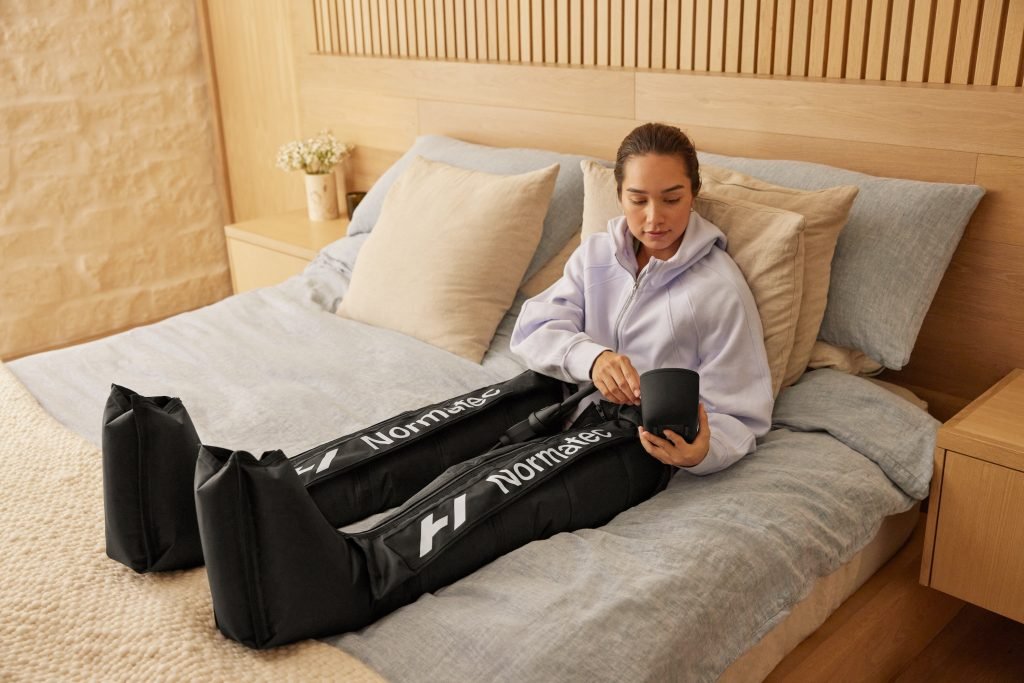
Technological advancements are revolutionising recovery through wearables and fitness trackers that monitor stress, sleep quality, and recovery metrics. These tools provide users with actionable data, empowering them to tailor their routines and optimise rest and recovery. Devices like Hyperice offer innovative solutions, including massage guns, air compression suits, heat belts, and ice compression systems to relieve tension, unlock sore muscles, and prepare the body and mind for peak performance.
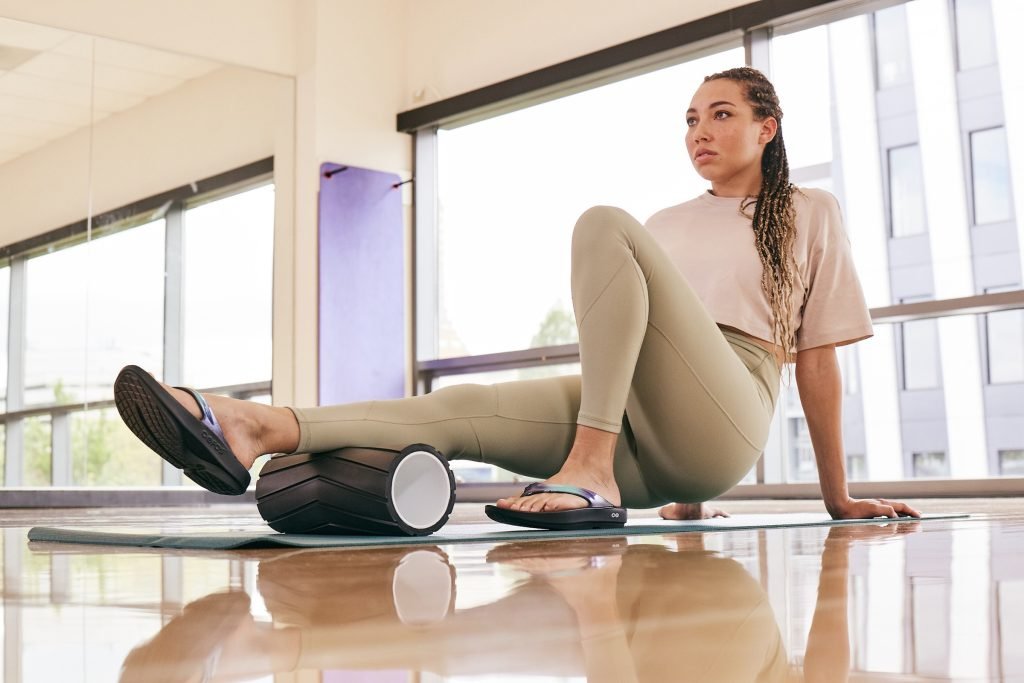
Other recovery wearables include OOFOS, an active recovery footwear brand featuring innovative OOfoam technology. This advanced foam absorbs 37% more impact than traditional footwear, helping to recharge the body while reducing stress on the feet and joints.
Recovery Rooms
Many gyms and health clubs are now introducing dedicated recovery rooms equipped with massage chairs, compression boots, and other tools to help members and residents wind down and recharge after intense workouts. These spaces underline the growing importance of integrating recovery into fitness routines.
Recovery Classes
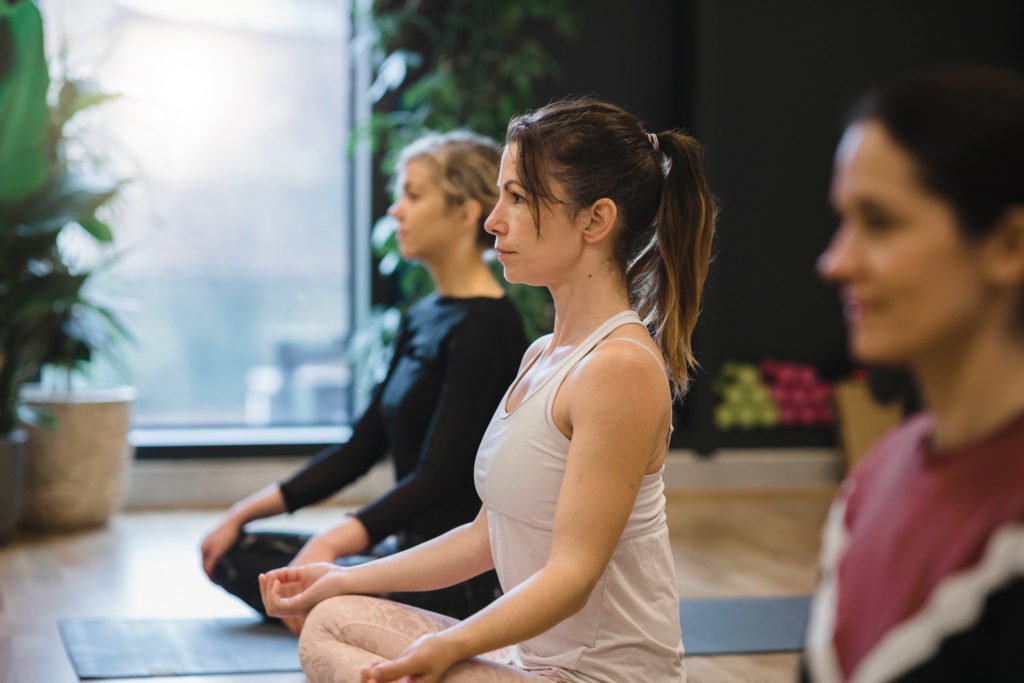
Low-impact exercise classes like Pilates, yoga and stretching, which place far less stress on muscles and joints will become even popular. These classes are a great way to aid muscle repair, help improve circulation and flexibility, and strengthen core muscles.
Bespoke Recovery Plans
The rise of personalised fitness has extended to recovery. Personal trainers are increasingly offering tailored recovery plans to gym members and residents in high-end residential developments. These plans consider individual health needs, training intensity, nutrition and goals to ensure optimal recovery.
Recovery Practices
It is essential for anyone considering recovery systems or treatments to consult their doctor beforehand. Individual responses to treatments vary depending on body composition, health conditions, and other factors. Expert guidance is crucial to ensure safety and effectiveness.
The evolving recovery landscape of 2025 highlights the growing understanding of the need for balance between performance and rest. As innovative treatments and technologies become more accessible, the focus on recovery will continue to transform the fitness and wellness industries.
We hope that this look at the recovery market in 2025 has given you some food for thought! If you are looking to include more recovery features within your existing or new facility or just need some advice on where to start, please don’t hesitate to get in touch with our specialist gym design team of consultants.
At motive8, our mission is to set the benchmark for excellence in the consultancy, design, management and maintenance of high-end health, fitness and leisure environments.
We hope this glimpse into the recovery market trends for 2025 has sparked some inspiration! Whether you’re considering adding recovery elements to your existing facility, planning a new space, or simply exploring ideas, our expert gym design consultants are here to help. Call us on 020 8481 9700 or email: info@m8group.co.uk.