Whether you’re planning a new residential development or upgrading an existing building, incorporating a gym can add significant value and appeal for residents. However, before breaking starting a new gym project, it’s essential to understand the health and safety requirements that govern the design, operation and management of fitness facilities.
This guide breaks down the key considerations developers, property managers and operators need to address to ensure their gym is safe, compliant and designed for long-term success.
Gym Design Requirements
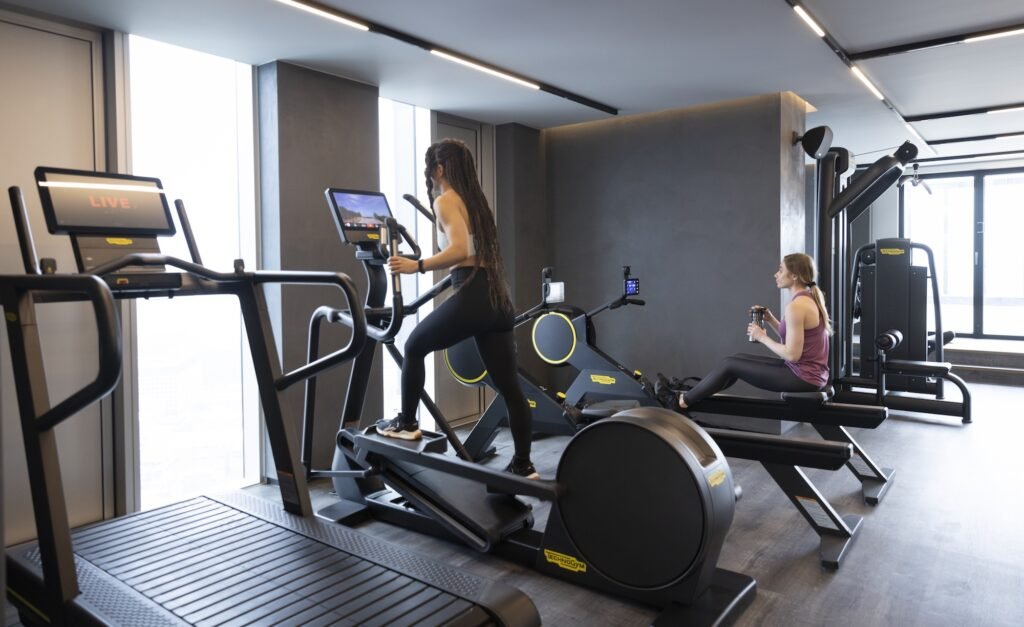
Space planning and accessibility – effective gym design starts with careful space planning. A well-thought-out layout ensures both usability and safety for all members. Key considerations include:
- Clear walkways within the premises and between equipment
- Ensuring any cables are tidy and positioned away from walkways
- Dedicated storage for free-moving equipment
- Adequate lighting: this will minimise risks of trip hazards in day to day and emergency operation.
- Accessible equipment placement so users can easily navigate the space
All fire exits should be clearly labelled and not blocked.
Safety and supporting features – incorporating practical features such as signage, water fountains, cleaning stations and panic alarm systems early in the design process helps ensure these are positioned safely and conveniently for users.
Installing CCTV systems will benefit users from an additional layer of safety, allowing management teams to monitor activity within the gym. When choosing camera locations, aim to eliminate any blind spots by providing adequate feed coverage and providing suitable lighting levels within the gym space.
Operational health & safety
The key decision to make is whether your gym will be manned or unmanned with no dedicated fitness staff present in the space at any time. Whilst having a fitness-qualified staff member within the space is ideal, this isn’t always a feasible solution with operators of residential gyms often using the on-site concierge/reception teams to supervise the gym space. Gym inductions can be an ideal solution for facilities without staffing budgets and are a recommended best-practice for ensuring users are fully aware of correct equipment use, with both in-person and digital delivery available.
Under the Management of Health and Safety at Work Regulations 1999, gym operators must complete a risk assessment at least annually. This ensures the facility continues to meet safety standards and best practices.
A motive8 risk assessment typically includes:
– Competent and trained staff attending the site to gather all findings In-person
– Information gathered at time of visit used to assess any found risks/hazards, current measures compared against best Industry practice and legislation
– Full report submitted, including any recommended actions for the on-site team to enforce with set priority levels and timeframes
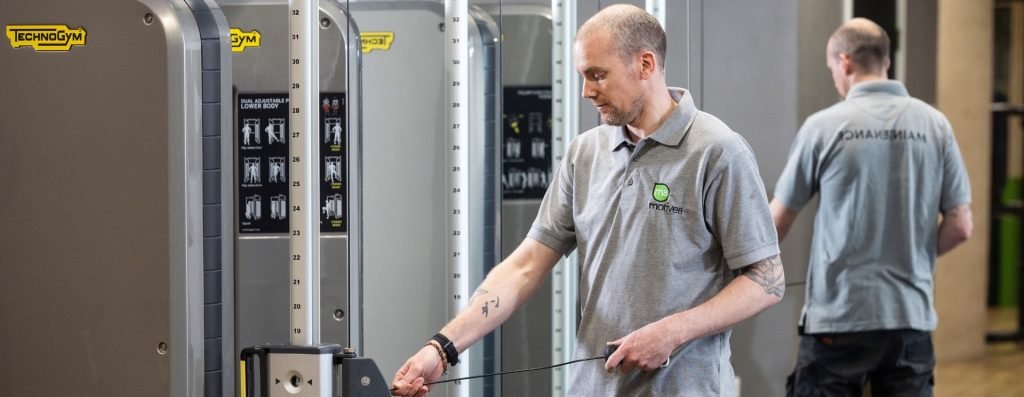
Ensuring your gym equipment is serviced by a suitable contractor will play a vital role in the facility’s safety, minimising risks of injuries occurring because of equipment faults as well as prolonging the lifespan of the equipment.
Keep detailed service logs and inspection records to demonstrate compliance.
Gym management best practices
A clear registration process should be outlined for residents looking to use the on-site gym before granting amenity access, including:
- Incorporating a health disclaimer form requesting residents to confirm they are in good health for using the space unsupervised.
- Incorporating a clear terms and conditions document outlining rules of using the facility for all users.
- Completing an in-person or virtual gym induction showcasing correct use of all available equipment.
Having an SOP (Standard Operation Procedures) for your gym-space is essential in organising day to day management and operations. Developing a detailed SOP document helps your team manage the gym safely and consistently. This should cover:
- Key facility information (opening times, list of equipment)
- Processes in place in event of emergencies/accidents
- Process for reporting and addressing faulty equipment
- Facility rules / Registration process for new residents
- Any checks/duties carried out by the site team, supported by completion of relevant check sheets
Make sure the SOP is accessible to all relevant team members and updated regularly.
Accessibility & inclusivity
Developers should also ensure their gym design meets accessibility standards, including suitable door widths, equipment spacing for wheelchair access and clear signage, ensuring the space is inclusive for all residents.
Designing and operating a new gym within a residential development involves careful planning, compliance and ongoing management. By addressing key health and safety requirements from the outset, developers and operators can create fitness spaces that are safe, compliant and valuable community assets.
Need support designing a safe, compliant gym? Contact our expert team to schedule a health and safety consultation. Email: info@m8group.co.uk or call 020 8481 9700.
This article was produced in collaboration with Filip Kozlowski, motive8’s Fitness Services Manager, who draws on extensive experience in residential developments, commercial gyms, and operational management to help clients create safe, effective fitness environments.